Chapter 7 vs. Chapter 13: Which Is Right for You in Minnesota?

Deciding whether to file for bankruptcy can feel overwhelming, especially when you’re unsure whether Chapter 7 or Chapter 13 is the better path. For individuals and families across Minnesota, both options offer powerful financial relief, but each works differently and serves distinct needs. Understanding these differences makes it easier to choose the option that aligns with your financial situation and long-term goals. With guidance from Behm Law Group, you can move forward with clarity, confidence, and the legal support necessary to protect your future.

Understanding the Basics of Bankruptcy

Bankruptcy is a legal process designed to help people eliminate or reorganize overwhelming debt. Although the process may seem intimidating, it exists to give honest individuals a fresh start. Federal bankruptcy laws outline various chapters, but MN chapter 7 bankruptcy and bankruptcy MN chapter 13 are the two most commonly used by individuals in Minnesota. Each has its own eligibility rules, repayment expectations, and impact on property.

Chapter 7 Bankruptcy in Minnesota

What Is Chapter 7?

Chapter 7 is often referred to as “liquidation bankruptcy,” but the term can be misleading. Most filers do not lose any property because Minnesota exemption laws protect essential assets such as a vehicle, home equity, retirement accounts, and personal belongings. Chapter 7 is designed to wipe out unsecured debts, offering a clean slate for those who qualify.

Who Is Eligible for Chapter 7?

Eligibility for Chapter 7 is determined primarily through the means test, which compares your household income to the Minnesota median. If your income falls below the median, you typically qualify. Even if your income is higher, deductions for necessary expenses may still make you eligible.

Chapter 7 is generally best for individuals who:

  • Are dealing with credit card debt, medical bills, or personal loans
  • Have limited income or cannot maintain monthly repayment plans
  • Want a quicker path to debt relief
  • Do not have significant non-exempt assets

Most Chapter 7 cases are completed within three to four months, giving Minnesotans a fast and effective solution to severe financial hardship.

What Debts Can Chapter 7 Discharge?

Chapter 7 can eliminate a wide range of unsecured debts, including:

  • Credit card balances
  • Medical bills
  • Utility charges
  • Personal loans
  • Certain lawsuit judgments

However, some debts cannot be discharged, such as child support, most student loans, and recent tax obligations.

Chapter 13 Bankruptcy in Minnesota

What Is Chapter 13?

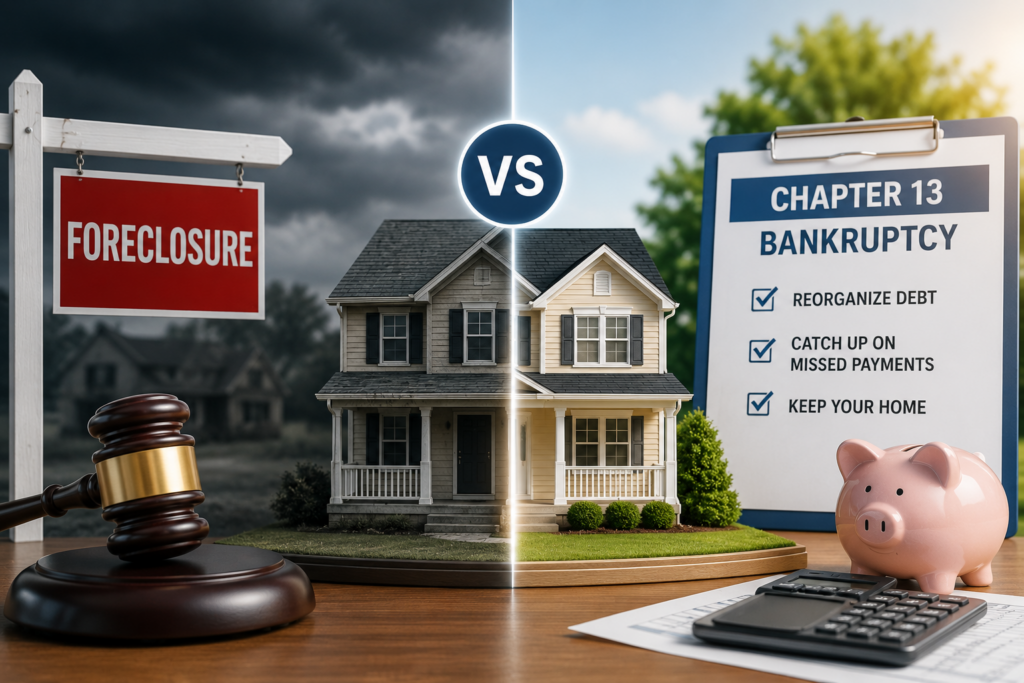
While Chapter 7 focuses on eliminating debt, Chapter 13 focuses on reorganizing it. Bankruptcy mn chapter 13 allows individuals with steady income to repay all or part of their debts through a structured court-approved repayment plan lasting three to five years. This chapter is ideal for people who want to protect their home from foreclosure or who have income too high for Chapter 7.

Who Should Consider Chapter 13?

Chapter 13 is designed for individuals who:

  • Are behind on mortgage or car payments
  • Want to stop foreclosure or repossession
  • Have debts that cannot be discharged under Chapter 7
  • Need time to catch up on taxes or domestic support obligations
  • Have assets that exceed Minnesota’s exemption limits

This chapter gives filers breathing room while preventing creditors from taking action against them.

How Does the Repayment Plan Work?

In Chapter 13, filers make a single monthly payment to a trustee, who distributes funds to creditors. The amount of the payment is based on your income, expenses, and the type of debt. At the end of the repayment period, any remaining eligible unsecured debt is discharged.

Chapter 7 vs. Chapter 13: Side-by-Side Comparison:

To make the best choice, it helps to compare both options clearly. While every situation is unique, the distinctions below highlight the purpose and benefits of each:

Key Differences

  • Speed: Chapter 7 is quicker, often completed in months; Chapter 13 takes years.
  • Assets: Chapter 7 may involve liquidation of non-exempt assets; Chapter 13 allows you to keep your property.
  • Repayment: Chapter 7 requires no repayment; Chapter 13 involves a structured plan.
  • Eligibility: Chapter 7 has income requirements; Chapter 13 requires regular income.
  • Foreclosure Protection: Chapter 13 offers powerful options to catch up on mortgage payments.

How to Decide Between Chapter 7 and Chapter 13?

Assessing Your Financial Situation

Choosing the right chapter depends on several personal and financial factors. Understanding your income, assets, and long-term goals will help you determine which option provides the greatest benefit.

Consider Chapter 7 If:

  • You have mostly unsecured debt
  • You need fast relief
  • You have little disposable income
  • Your assets are covered by Minnesota exemptions

Consider Chapter 13 If:

Your Future After Bankruptcy:

Many people worry about long-term consequences, but bankruptcy is designed to help, not harm, your financial future. Both chapters allow you to rebuild credit over time. Many Minnesotans begin receiving credit offers shortly after discharge, and responsible financial habits can restore credit scores more quickly than expected.

Bankruptcy also provides peace of mind by stopping harassment from creditors, lawsuits, and wage garnishments. Whether you choose Chapter 7 or Chapter 13, the process can provide the fresh start you need to regain financial stability.

How Behm Law Group Helps?

Bankruptcy is not a one-size-fits-all process. Every case requires careful evaluation, and the guidance of an experienced attorney ensures you receive the maximum protections allowed under the law. Behm Law Group specializes in bankruptcy representation across Minnesota, offering personalized legal strategies that protect your assets, income, and long-term goals.

Our attorneys help you:

  • Understand your legal rights
  • Determine your eligibility for Chapter 7 or Chapter 13
  • Prepare and file all required documents
  • Represent you throughout the entire bankruptcy process

With decades of experience and deep knowledge of Minnesota bankruptcy laws, our team ensures you’re never navigating the process alone.

Contact Us

Ready to discuss which bankruptcy chapter is right for your situation? Behm Law Group is here to help. Call  507-387-7200 to speak with our experienced team and get guidance tailored to your needs.


Small Business Bankruptcy Guide: What Owners Need to Know in 2026

Running a small business often means dealing with uncertainty; shifts in the market, cash-flow challenges, mounting debt, and changing customer demand. When debt becomes overwhelming, filing for bankruptcy may be a path to relief. For business owners in Minnesota, understanding the ins and outs of bankruptcy, especially Minnesota Chapter 7 Bankruptcy and Minnesota Chapter 13 Bankruptcy, can make a crucial difference. This guide from Behm Law Group explains what you need to know, whether you aim to close shop, reorganize, or preserve your business and assets.

What Is Small Business Bankruptcy?

Small business bankruptcy is not a one-size-fits-all solution. The right path depends on your business structure, debt load, and whether you want to continue operations. 

The most common paths for small business owners are:

  • Chapter 7 Bankruptcy (liquidation) 
  • Chapter 13 Bankruptcy (debt adjustment for qualifying individuals/sole proprietors)
  • (In some cases) other forms like Chapter 11 — though often less common for small businesses.

Your choice depends on whether your business is structured as a sole proprietorship, corporation, LLC, or partnership — and whether you aim to close, restructure, or keep running.

Chapter 7 Bankruptcy: When Liquidation Makes the Most Sense:

Chapter 7 is often called “liquidation bankruptcy.” Under this route:

  • The business ceases operations. A trustee sells off non-exempt assets and distributes proceeds to creditors.
  • For corporations or LLCs, only business property is subject to liquidation — personal property of the owner is usually protected.
  • If you previously personally guaranteed business loans or leases, you might remain personally liable — Chapter 7 may not wipe those out.
  • For sole proprietors, filing under Chapter 7 may discharge unsecured debts — offering a fresh financial start.

When it works best:

  • Your business has significant unsecured debt, minimal assets, and no realistic plan for recovery. 
  • You wish to close operations cleanly rather than try to salvage the business.

What you sacrifice:

  • You give up your business and its assets.
  • Some debts — especially secured ones — may remain, or require collateral surrender. 

Chapter 13 Bankruptcy: Restructure Without Losing Everything

Chapter 13 offers a different approach. It’s designed for individuals (often sole proprietors) with regular income who want to reorganize debts rather than liquidate. 

Under Chapter 13:

  • You propose a court-approved repayment plan — typically over 3 to 5 years — to repay some or all of your debts.
  • This can allow you to catch up on secured debt (e.g., business vehicles, equipment), back taxes, or personal debts tied to business obligations.
  • You may be able to continue your business operations while reorganizing debt — rather than shutting down entirely.

This makes Chapter 13 a strong option when owners want to protect business assets and maintain operations while getting debt under control. 

Key Differences: Chapter 7 vs. Chapter 13 Bankruptcy

Purpose

Chapter 7: Used to close a business and sell assets to pay debts.
Chapter 13: Used to reorganize debts and create a repayment plan.

Business Status

Chapter 7: The business usually shuts down.
Chapter 13: The business can stay open if it can still operate.

Who Can File

Chapter 7: Individuals, corporations, LLCs, and partnerships.
Chapter 13: Only individuals or sole proprietors with steady income.

How Debts Are Handled

Chapter 7: Most unsecured debts are wiped out; some secured debts may require giving up property.

Chapter 13: Debts are repaid over time through a court-approved plan.

Asset Protection

Chapter 7: You might keep some personal items, but most business assets are sold.
Chapter 13: Lets you keep business assets while making payments.

Best For

Chapter 7: Businesses that cannot recover or continue.
Chapter 13: Business owners who want to reorganize and keep operating.

When Should a Small Business Consider Bankruptcy?

Bankruptcy isn’t always the right solution, but in some situations, it may provide a structured way out. You might consider bankruptcy if you:

  • Are unable to keep up with loan, credit card, or vendor payments
  • Are facing vendor demands, collection notices, or lawsuits
  • Have fallen behind on rent, taxes, or payroll
  • Are using personal funds to cover business obligations
  • Find debt increasing faster than revenue or sales
  • Are personally guaranteeing business debts and at risk of personal liability

If these challenges persist, bankruptcy might be the most practical option — whether that means liquidation under Chapter 7 or reorganization with Chapter 13.

What Bankruptcy Can — and Cannot — Do?

✅ What It Can Do

  • Halt creditor harassment, wage garnishments, and lawsuits once the filing is in place (automatic stay).
  • Offer legal protection and a repayment or discharge plan for unsecured debts. 
  • Provide a path for sole proprietors to keep business assets while reorganizing debts under Chapter 13.

⚠️ What It Cannot Do

  • Fix a fundamentally flawed or unsustainable business model — if the business lacks viable prospects, restructuring may only delay failure.
  • Guarantee that secured debts will be eliminated — often they require surrendering collateral or restructuring payment.
  • Always remove personal liability if you personally guaranteed business loans or leases (especially under Chapter 7).

Because of these limitations, working with experienced legal counsel is essential to choose the correct path and navigate the process.

Why Working with an Experienced Law Firm Matters?

Bankruptcy law is complex. Choosing the wrong chapter, or improperly handling documentation, can leave you worse off. Firms that specialize in small-business bankruptcy can:

  • Help you evaluate whether Chapter 7 or Chapter 13 (or another chapter) fits your specific situation
  • Assist in preparing required forms: assets, liabilities, income, expenses, contracts, leases, and more
  • Guide you through creditor meetings, hearings, repayment plan proposals (in Chapter 13), and court procedures
  • Help protect exempt assets and maximize the benefit of discharge or restructuring

At Behm Law Group, we understand the stakes for small business owners. We work closely with you to review your company’s financial structure, liabilities, and long-term prospects — only then do we recommend the best path forward.

How to Decide What’s Right for Your Business?

1. Assess your business’s viability. If the business has no realistic chance of recovery — with declining revenue, mounting debts, or unsustainable operations — Chapter 7 may be the cleanest solution.

2. Review personal vs. business liability. If you personally guaranteed loans, consider how bankruptcy affects your personal assets.

3. Consider your long-term plans. If you want to continue the business or maintain key assets, Chapter 13 might offer flexibility.

4. Evaluate income stability. Chapter 13 requires steady, sufficient income to support a repayment plan.

5. Consult experienced counsel. Bankruptcy laws vary by state; professionals can guide you through exemptions, state-specific rules, and best strategies.

Conclusion:

Bankruptcy, whether through Chapter 7 or Chapter 13, can be a lifeline for small business owners facing overwhelming debt. Choosing the right path depends on your business structure, debt load, personal guarantees, and long-term goals. While Chapter 7 offers a clean break, Chapter 13 may enable you to reorganize debt and retain business assets.

At Behm Law Group, our mission is to guide you through these difficult choices with transparency, care, and expertise. We help you understand the consequences, the process, and, most importantly, how to rebuild.

If you’d like to explore whether bankruptcy is the right solution for your situation, we’re here to help. Contact Behm Law Group at 507-387-7200 to schedule a consultation and discuss your business and financial goals, and determine the best path forward.


What Happens to Your Home When You File for Bankruptcy?

Filing for bankruptcy can feel overwhelming, especially when you’re worried about what will happen to your home. For many people, their house is more than just property; it’s stability, identity, and long-term security. Understanding how bankruptcy affects your home can help you make informed decisions and protect your financial future.

This guide breaks down how MN Chapter 13 and MN Chapter 7 bankruptcy treat your home, what protections exist, and how Behm Law Group can help you navigate the process with confidence.

Understanding How Bankruptcy Impacts Your Home:

Bankruptcy laws are designed to give people a fresh start while balancing the interests of creditors. What happens to your home depends on several factors:

  • Type of bankruptcy filed
  • Equity in your home
  • Your mortgage status
  • State and federal exemptions
  • Your income and repayment ability

Both Chapter 7 and Chapter 13 provide options to help protect your home, but they do so in different ways.

How MN Chapter 7 Bankruptcy Treats Your Home:

What is Chapter 7 Designed For?

Chapter 7, often called “liquidation bankruptcy,” focuses on wiping out unsecured debt quickly. However, many people misunderstand Chapter 7 and assume they will automatically lose their house. In reality, most filers keep their home if they qualify for exemptions and keep mortgage payments current.

1. Home Equity: The Key Factor

In Chapter 7, the court reviews the equity in your home. Equity is simply:

2. Home value – Mortgage balance = Equity

Minnesota provides a generous homestead exemption, allowing most homeowners to protect a substantial portion of their equity.

3. If your equity is fully exempt:

You keep your home as long as you stay current on payments.

4. If part of your equity is not exempt:

The trustee may sell the property to pay creditors, but this is uncommon when exemptions cover the equity.

5. Mortgage and Payment Requirements:

Even if your home is exempt, Chapter 7 does not give you a repayment plan. You must be able to:

  • Stay current on mortgage payments
  • Maintain insurance
  • Avoid falling behind after filing

If your loan is severely delinquent, Chapter 7 may not prevent foreclosure unless other legal tools are available.

How MN Chapter 13 Bankruptcy Protects Your Home:

What is Chapter 13 Designed For?

Chapter 13 is a reorganization plan that allows you to catch up on debts while keeping your home, car, and other assets. This chapter is particularly effective if you are behind on mortgage payments.

Repayment Plan Advantages:

Chapter 13 allows you to:

  • Spread past-due mortgage payments over 3–5 years
  • Stop foreclosure immediately
  • Potentially eliminate second mortgages or judgment liens
  • Protect non-exempt home equity
  • Maintain ownership while stabilizing your finances

Because of these features, those who want to save their home often choose bankruptcy MN Chapter 13.

Stopping a Foreclosure:

As soon as Chapter 13 is filed, an “automatic stay” goes into effect. This legally prevents your lender from continuing foreclosure actions. Your repayment plan allows you to catch up gradually without losing your home.

Which Bankruptcy Option Allows You to Keep Your Home?

Whether you can keep your home depends on your finances, mortgage status, and exemption coverage. Here’s a breakdown:

You’re More Likely to Keep Your Home in Chapter 7 If:

  • Your mortgage payments are current
  • Your home equity is fully covered by exemptions
  • Your income is within limits to qualify
  • You don’t need time to catch up on arrears

You’re More Likely to Keep Your Home in Chapter 13 If:

  • You are behind on mortgage payments
  • You have substantial equity not covered by exemptions
  • You need a structured repayment period
  • You want to avoid foreclosure while restructuring debts

What Happens If You Want to Surrender Your Home?

For some homeowners, keeping the property may not be the best financial decision. Both MN Chapter 7 bankruptcy and Chapter 13 allow you to voluntarily surrender the home.

This option helps when:

  • The mortgage is unaffordable
  • Property taxes are overwhelming
  • The home needs expensive repairs
  • You want to walk away from debt tied to the property

Surrendering the home eliminates your legal liability for the mortgage and any deficiency balance.

Effects on Your Credit and Future Home Ownership

Many people fear filing bankruptcy will permanently damage their credit. The truth is:

  • Bankruptcy reduces debt, improving your debt-to-income ratio.
  • Most people can qualify for a mortgage again within 2–4 years.
  • You can rebuild your credit faster than expected by using small credit lines responsibly.

Keeping or losing your home does not prevent you from owning again in the future.

How Behm Law Group Helps Protect Your Home?

Filing bankruptcy without legal guidance can put your home at risk unnecessarily. Behm Law Group provides:

  • Detailed evaluation of your home equity
  • Strategic planning to maximize exemptions
  • Guidance on whether Chapter 7 or Chapter 13 will protect your home
  • Foreclosure prevention support
  • A clear explanation of timelines and expectations

Our goal is the same as yours: help you keep your home whenever possible and protect your financial future.

Important Things to Keep in Mind

Here’s a simple overview of how bankruptcy may impact your home:

  • Your home can often be protected under both Chapter 7 and Chapter 13.
  • Exemptions play a major role in determining the outcome.
  • Chapter 13 is ideal for catching up on missed payments.
  • You must stay current on mortgage payments in Chapter 7.
  • Bankruptcy offers tools to stop foreclosure.
  • You can choose to surrender your home if that’s the best financial decision.

Final Thoughts

Your home is one of your most valuable assets, not just financially, but emotionally. Bankruptcy doesn’t always mean losing your house. In many cases, it can be the very tool that helps you protect it. Whether you’re considering MN Chapter 7 bankruptcy or exploring MN Chapter 13, understanding your options is the first step toward financial stability.

Behm Law Group is here to guide you with clarity, compassion, and real-world solutions tailored to your situation. Contact us at (507) 387-7200, for trusted legal guidance to protect your home and secure a fresh financial start.


Debt Reorganization Bankruptcy for Marshall, MN Business Owners

Having to think about bankruptcy in any form is generally considered the “end of the road” for businesses. In fact, in recent years we’ve seen a wide array of well-known department stores, event retailers, and craft businesses file for bankruptcy and then close for good. The reality is that in spite of these highly publicized closures, most forms of bankruptcy can be used to preserve and even save a business. Chapter 11 bankruptcy, or debt reorganization bankruptcy, is one such tool that business owners can turn to. If your Marshall, MN business is experiencing a financial crisis and barely treading water, Behm Law Group can help you explore Chapter 11 bankruptcy as a means to save your business rather than lose it entirely.

Understanding Chapter 11 Bankruptcy

If you’re unfamiliar with the term, debt reorganization may just sound like a temporary postponement of your financial issues rather than a solution. In reality, the process of debt reorganization bankruptcy is designed to make your debt manageable, not just move it around. Primarily utilized by businesses, Chapter 11 bankruptcy allows for the restructuring of a business and debts in order to address them effectively. Business owners are given time to make these changes and, with some effort and careful adherence to the bankruptcy requirements, may be able to keep their business afloat for years to come.

How Your Business May Change

While debt reorganization bankruptcy is an incredible tool, it’s not a magical cure. Business owners and debtors will need to provide extensive financial records, may need to downsize or change some major roles, and will have to work with a court-appointed administrator to ensure that the correct steps are being taken. None of these conditions are inherently negative, but they may involve some fairly significant changes to the look and feel of how your business is run. Luckily, throughout all of this, you’ll have professional and legal guidance from Behm Law Group.

Getting the Process Started

If you’re ready to file for Chapter 11 bankruptcy or are interested in discussing the initial requirements for debt reorganization bankruptcy in general, our legal experts can help you begin the process. At Behm Law Group, we can discuss your financial situation and evaluate if debt reorganization is the best option for your individual business needs.

Marshall, MN business owners and managers in need of financial support or relief can contact our legal experts at (507) 387-7200, send us an email, or visit our website. Chapter 11 bankruptcy can be stressful and confusing, but Behm Law Group is proud to provide legal advice to small business owners and other Minnesota local business professionals. Call us today to find out more about bankruptcy solutions.

Chapter 7 Bankruptcy in Mankato, MN

When you’re evaluating your financial situation and making a plan to move forward, it’s important to consider all the tools available. For Mankato, MN residents in overwhelming debt, Chapter 7 bankruptcy, also known as straight bankruptcy, is one such tool. If you feel trapped by debt and don’t know where to begin, Behm Law Group can help you decide if bankruptcy is the best solution for you.

The Power of Bankruptcy as a Financial Tool

Bankruptcy gives you the opportunity to reclaim power over your unique and troubled financial situation. Whether your financial difficulties were instigated by years of struggle or a sudden life change, Chapter 7, or straight bankruptcy, is an excellent tool for giving yourself some grace and for starting fresh.

Utilizing Chapter 7 bankruptcy also allows you to learn new and effective financial planning strategies. If your previous methods didn’t work for your lifestyle, filing a bankruptcy with our legal professionals will give you access to expert advice, guidance, and tools that can help steer you towards a healthier financial future. Plus, our legal professionals will walk you through the entire straight bankruptcy process to ensure that you end up in the best position possible considering your individual circumstances.

Making a Change with Chapter 7 Bankruptcy

Unlike other forms of bankruptcy, Chapter 7 bankruptcy can be completed fairly quickly. This means that you can aim to regain financial flexibility in a relatively short timeframe – 90 to 120 days. This, of course, depends on the value of your assets and the particular details of your debts. With the legal guidance of Behm Law Group, you can make a plan to find your way out of debt as quickly as possible. For individuals who truly feel they’ve been drowning in the dark, deep waters of debt servitude, straight bankruptcy can be a revelation.

If you’re a Mankato, MN resident and are ready to begin planning for your straight bankruptcy or need support in filing for bankruptcy generally, call Behm Law Group today at (507) 387-7200, send us an email, or visit our website. Chapter 7 bankruptcy  can be a new path towards a brighter financial future.

Chapter 13 Bankruptcy for Homeowners in New Ulm, MN

For homeowners with a regular income but insurmountable debt, Chapter 13 bankruptcy, also known as wage-earner bankruptcy, can be a transformative process. If your bills are no longer possible to handle and you’re interested in exploring bankruptcy as a solution, Behm Law Group can help you select, file, and plan for the best-suited bankruptcy type for your needs. If you’re a New Ulm, MN resident in search of financial relief, wage-earner bankruptcy may be the answer you’re looking for in order to get a handle on your financial future.

Chapter 13 Bankruptcy Is a Reliable Path Towards Debt Discharge

For individuals entirely new to the bankruptcy process, there are different “chapters” of bankruptcy that all entail different methods of debt management and relief. Chapter 13 bankruptcy allows you to create a repayment plan that can last anywhere from three to five years, instead of discharging your debts all at once, like some other chapters. This repayment plan is drafted and amended through the efforts of your legal team and the courts to satisfy the requirements of your repayment without requiring you to relinquish all of your assets.

How Wage-Earner Bankruptcy Can Help You Keep Your Home

Individuals with significant debt and no clear way out often find themselves struggling to keep their homes. With wage-earner bankruptcy, you may be able to prevent foreclosure while still paying your debts. If you’re earning a regular wage and are invested in keeping your home safe from foreclosure proceedings, Chapter 13 bankruptcy may be what you need to pause the process and make a dent in your debt.

How Our Law Professionals Can Help

At Behm Law Group, we work closely with filers to create a plan that best suits their ability to continue to live and work while still managing their debt. Our experienced bankruptcy lawyers will guide you through the entire process and help with any and every aspect of your filing. A wage-earner bankruptcy plan is an excellent way to work towards financial freedom without having to start from zero. If you’re not sure which chapter of bankruptcy best suits your needs, our consultations and support can help you understand the potential benefits of a wage-earner bankruptcy plan and more.

New Ulm, MN homeowners interested in beginning the bankruptcy process can contact Behm Law Group today at (507) 387-7200, send us an email, or visit our website. Find out more about wage-earner bankruptcy by calling and making your appointment.

Chapter 7 Bankruptcy in St. Peter, MN

0hapter 7 bankruptcy is an excellent tool when it comes to comprehensive financial recovery. An effective, well-managed bankruptcy has the ability to give St. Peter, MN individuals a fresh start without the debts that were holding them back. However, without careful financial planning, it’s all too easy to fall into the same pitfalls that preceded Chapter 7 bankruptcy. At Behm Law Group, we can help you file your bankruptcy, plan for your immediate next steps, and start financial habits that will help you manage your future in a fundamentally different way.

Comprehensive Chapter 7 Bankruptcy Guidance

Rebuilding after bankruptcy requires a fairly significant amount of financial knowledge. How to budget, what kinds of credit offers are safe to pursue, and the best ways to start from scratch are great places to start, but it’s likely that other questions will follow. Our team at the Behm Law Group can help you navigate the process and direct you to helpful resources for beginning your personalized recovery plan. If you find yourself lost in the intricacies of legal terms or unsure about a big financial decision down the line, we can lead you toward the best solution for your individual situation.

Moving Forward After Your Case

Immediately after your debts are discharged is the time to start changing your financial behaviors. Follow your budgets, avoid larger purchases, and understand that rebuilding after bankruptcy requires predictable behavior and patience. Expect a consistent credit rehabilitation process rather than any sort of quick fix. Those credit card offers and other offerings for large purchases might be tempting in your new position. Sticking to simple and steady growth is essential. Be prepared to wait a few years for new loans. Instead, focus on rebuilding your credit score, paying your bills on time, and avoiding any large balances.

Rebuilding after bankruptcy is much easier if you can say with confidence that your law team guided you into the best position possible. Bankruptcy isn’t a simple process, but a team of reliable legal experts on your side can make a world of difference. St. Peter, MN residents prepared to begin their Chapter 7 bankruptcy can contact Behm Law Group today at (507) 387-7200, send us an email, or visit our website.

Chapter 12 Bankruptcy Support for Marshall, MN Family Farmers and Family Fishermen

For most laypeople, the term ‘bankruptcy’ brings to mind images of big business. Rarely is bankruptcy considered in relation to our local family farmers and family fishermen. Just because it isn’t the standard stereotype, however, doesn’t mean it’s irrelevant to these particular family businesses that operate outside of the traditional business scene. Chapter 12 bankruptcy is a specialized option for family farmers and family fishermen struggling with their finances. Marshall, MN area fishers and farmers in need of bankruptcy support can count on the team at Behm Law Group to help carefully and compassionately guide them through the Chapter 12 bankruptcy process.

Chapter 12 Bankruptcy

Family farmers and family fishermen play an important role in Minnesota culture. Thanks to the abundant, fertile lands and pristine, plentiful lakes found in Minnesota, our state can proudly boast a wide variety of agricultural and fishing ventures. While our ecosystem seems well suited to supporting both industries, at times, it can still be difficult to thrive in ever-changing and challenging markets. Even lifelong fishermen and farmers can find themselves struggling after a year of particularly low yields, and occasionally these difficulties can result in a need for financial relief.

Chapter 12 bankruptcy specifically caters to family farmers and family fishermen. If you are unable to pay your debts or maintain your land due to financial difficulty, bankruptcy may be the solution you need to get back on track.

A Customized Repayment Schedule

While it can be difficult to think of Chapter 12 bankruptcy as a solution rather than a financial end point, it truly can be a way forward. At Behm Law Group, our bankruptcy support team can help you plan and organize a regular payment plan to address your outstanding debts. Utilizing Chapter 12 bankruptcy allows you to forge a path forward. Our bankruptcy support professionals can guide you through the entire bankruptcy process, including preparing the necessary documents, navigating the legal language, and learning how to manage debtors and fees throughout.

If your family farm or family fishing business is struggling, bankruptcy support from Behm Law Group can help you start to plan a better financial future. Marshall, MN area farmers and fishermen can contact us today at (507) 387-7200, send us an email, or visit our website.

Bankruptcy Assistance for Business Owners in Owatonna, MN

Owning and operating a local Owatonna, MN business is a deeply worthwhile and fulfilling process. Whether you’re starting from scratch or carrying on a legacy, finally getting things off the ground is life-changing. That is, in part, why when things take a turn and you find yourself and your business struggling financially, it’s beyond devastating. At Behm Law Group, we understand the years and effort that go into making a business thrive. We also know that no one goes into a business expecting to file bankruptcy. But if the time comes when you are overwhelmed by persistent, insurmountable cash-flow difficulties and intractable, changing market dynamics and you need to consider exploring the bankruptcy option, you can trust that our law team will help with bankruptcy assistance will be here to guide you toward a more stable financial future.

Helping Struggling Business Owners with Bankruptcy Consultations

Though business owners don’t necessarily plan for bankruptcy at the outset, there may be times when questions arise about the future of a business and the pros and cons of bankruptcy are weighed. Our law team offers bankruptcy consultations to all business owners who are actively seeking bankruptcy assistance or who are exploring other potential options.

Bankruptcy might seem like the end of an era for business owners, but with the right law team on your side, other possibilities can become apparent. Our bankruptcy consultations can walk you through what filing would do for you and what your potential recovery may look like.

Taking the Next Steps with Our Experts in Bankruptcy Assistance

When you’re ready to consider filing for bankruptcy relief, our bankruptcy assistance team will guide you through the initial process, make sure you know all of your rights, have the paperwork you need, and are fully prepared for what comes next. All our bankruptcy consultations and assistance plans are personalized to your specific needs, and they always account for the future of your business and livelihood.

Whether you’re looking for an initial bankruptcy consultation for your Owatonna, MN business or you’re interested in starting the bankruptcy process, we have the information you need. Business owners can contact Behm Law Group at (507) 387-7200, send us an email, or visit our website to find out more about our legal support services

Chapter 7 Bankruptcy Committing to Steady Financial Recovery

Filing for Chapter 7 bankruptcy, also known as straight bankruptcy, isn’t a decision that anyone makes lightly. Usually, filing takes place after months or years of struggling to make things work. Maybe a career switch, a major life change, or a relocation factored into the decision. No matter what path was taken, it’s understandable to see Chapter 7 bankruptcy as the end of the journey. This idea, while common, isn’t entirely accurate. While bankruptcy might end the financial struggles, it’s actually the beginning of a new financial fresh start. At Behm Law Group, our legal team can help New Ulm, MN residents set themselves up for a future of success with reliable, consistent bankruptcy support.

What You Leave Behind When You File for Chapter 7 Bankruptcy

Bankruptcy is an understandably difficult process, but with the right legal support, it can be enormously beneficial. Chapter 7 bankruptcy is an opportunity to move ahead with a totally new financial strategy. If the decisions you made when you were younger or under different circumstances didn’t turn out the way you’d hoped, bankruptcy is your chance to start anew. And what’s even better is that you don’t have to do it alone.

A Supportive Legal Team That’s on Your Side

Bankruptcy is an understandably difficult process, but with the right legal support, it can be enormously beneficial. Chapter 7 bankruptcy is an opportunity to move ahead with a totally new financial strategy. If the decisions you made when you were younger or under different circumstances didn’t turn out the way you’d hoped, bankruptcy is your chance to start anew. And what’s even better is that you don’t have to do it alone.

Our legal team at Behm Law Group may not be in charge of your finances, but our goal is always to see our clients flourish and recover following the filing of a Chapter 7 bankruptcy. If you’re ready to start on the road to recovery after straight bankruptcy, contact us today at (507) 387-7200, send us an email, or visit our website to find out more information about our legal services in New Ulm, MN.